
The allure of casinos
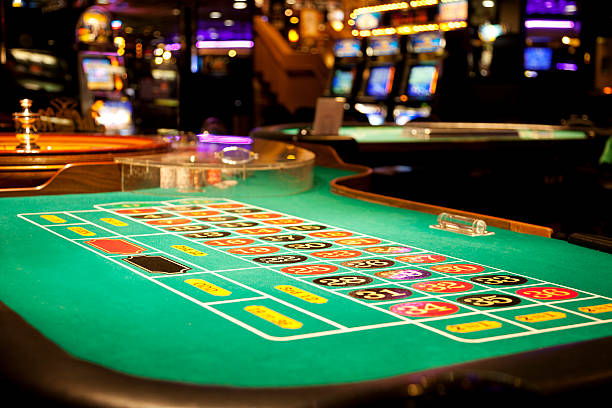
The ambiance of casinos is meticulously crafted to create a tantalizing experience that draws in patrons. Bright lights, vibrant sounds, and an atmosphere charged with excitement contribute to a sensory overload that captivates visitors. This environment stimulates the brain’s reward center, making it easy for individuals to become mesmerized by the prospect of potential winnings, especially when considering the variety of games available at nz online casino that enhance the overall gaming journey. The thrill of winning often overshadows the risks involved, leading many to spend more time—and money—than they had initially planned. This attraction to the casino environment is no accident; it is a carefully calculated strategy employed by operators.
Casino operators design their spaces to evoke a sense of euphoria, using strategic placement of games, seating arrangements, and decor. For example, placing slot machines near highly trafficked areas maximizes visibility, enticing passersby who may not have intended to gamble. Psychological studies indicate that environments engineered for excitement can create an overwhelming sense of urgency, prompting individuals to engage in gambling activities they might normally avoid. This careful orchestration of sensory elements makes the casino experience not only enjoyable but also psychologically compelling.
Moreover, the social dynamics of gambling play a substantial role in its allure. Many individuals visit casinos not only for the potential monetary rewards but also for the camaraderie that gambling can foster. Playing games with friends or meeting new people enhances the experience, creating a shared sense of excitement and belonging. This social aspect can reinforce gambling behavior, making patrons feel more connected to both the activity and the gaming environment, leading to repeat visits and prolonged engagement.
The psychological factors at play
The psychology behind gambling is deeply intertwined with various cognitive biases and behavioral patterns that influence decision-making. One prevalent factor is the illusion of control, where gamblers develop a belief that they can influence the outcome of a game through skill or strategy, even when playing games of pure chance. This misconception can lead to increased risk-taking, as players may become convinced that their actions can sway the odds in their favor. Each small win can reinforce this belief, creating a cycle that perpetuates their gambling behavior.
Another critical psychological element involves the concept of near misses. For instance, when a player is just one symbol away from a jackpot, their brain interprets this as being “close” to winning. This phenomenon can trigger a rush of excitement and hope, encouraging continued play despite ongoing losses. The near-miss effect is powerful; it evokes emotions that make it difficult for individuals to disengage from the game, even when it becomes financially detrimental. Casinos exploit this psychological trigger to extend play sessions and increase revenue.
Additionally, loss aversion plays a significant role in gambling psychology. Research indicates that individuals are more motivated to avoid losses than to seek equivalent gains. Consequently, when players experience losses, they may feel compelled to continue gambling in an attempt to recover their funds, leading to a destructive cycle known as chasing losses. Understanding these psychological factors helps to elucidate why many individuals grapple with gambling addiction and the financial difficulties it can create.
The impact of rewards and incentives
Rewards and incentives are fundamental components of the gambling experience, carefully designed to entice players and encourage continued engagement. Casinos employ a variety of promotions, loyalty programs, and bonuses to create an addictive cycle of play. These rewards can take numerous forms, from complimentary drinks and meals to loyalty points redeemable for cash or other benefits. By instilling a sense of value in continued gambling, these incentives reinforce the idea that players are receiving more than mere entertainment.
The thrill of winning is also a crucial factor in influencing gambler behavior. When individuals experience a win, even a minor one, their brains release dopamine, a neurotransmitter associated with pleasure and satisfaction. This chemical response can lead to a compulsion to chase the high of winning, resulting in increased gambling in hopes of replicating that euphoric experience. Casino environments are designed to trigger these feelings repeatedly, maintaining player engagement and increasing overall gambling activity.
Furthermore, the occasional high-profile wins reported in the media contribute to the narrative that gambling may be a viable path to wealth. These success stories, frequently highlighted in promotional materials, reinforce the allure of hitting the jackpot and overshadow the more common experience of losses. This marketing strategy demonstrates how casinos leverage psychological tactics to maintain player interest and boost their revenue streams, creating a cycle of hope that keeps players returning for more.
The role of addiction and recovery
Gambling addiction is a complex psychological condition that can have profound effects on an individual’s life. It is often characterized by an inability to control gambling behavior despite experiencing negative consequences. The stigma surrounding gambling addiction can make it challenging for affected individuals to seek help, leaving many trapped in a cycle of denial and continued gambling. Recognizing the psychological components of addiction can aid in developing effective treatment strategies and interventions.

Treatment programs for gambling addiction typically employ cognitive-behavioral therapy (CBT) to address the underlying cognitive distortions that contribute to gambling behavior. CBT helps individuals identify and challenge flawed beliefs about control and winning. Support groups and counseling provide essential social support, encouraging individuals to confront their behaviors in a non-judgmental environment. This supportive approach can foster recovery and personal growth, enabling individuals to reclaim control over their lives.
In addition to treatment options, many casinos are taking proactive steps to promote responsible gambling. This includes providing resources and information about gambling addiction, as well as implementing self-exclusion programs that allow individuals to voluntarily ban themselves from gambling venues for a designated period. By addressing the psychological aspects of gambling and fostering awareness, casinos can contribute to reducing the harmful impacts of gambling addiction while promoting a safer gaming environment for all patrons.
Discovering more about gambling psychology
For those interested in exploring the psychology of gambling further, numerous resources are available that provide insights and research on human behavior in gambling contexts. Websites dedicated to gambling education offer articles, studies, and expert opinions on the cognitive processes that influence decision-making in gambling scenarios. Topics such as risk assessment, behavioral economics, and psychological triggers that lead to gambling are frequently covered, providing a comprehensive understanding of the subject.
Additionally, many organizations focused on mental health and addiction provide accessible materials related to gambling disorders. These resources are designed to improve public understanding and awareness of gambling-related issues, aiming to support individuals who may be struggling with their gambling habits. Engaging with this information can help individuals recognize patterns in their own behavior, promote healthier choices, and reduce the stigma associated with gambling addiction.
By delving into the psychology of gambling through reputable websites and literature, individuals can gain a deeper appreciation for the complexities of their tendencies and the societal factors influencing gambling environments. This knowledge not only aids in personal decision-making but also fosters dialogue about responsible gambling practices, ultimately contributing to a more informed and supportive community that recognizes the challenges associated with gambling behavior.